

Are you ready for the biggest shakeup in football history? The global game is expanding, and fans everywhere are trying to keep track of where the next tournaments will take place. If you are wondering about the upcoming tournament destinations, you are in the right spot. The international football landscape is shifting toward massive multi nation collaborations, making the hunt for a definitive world cup 2030 host and 2026 venue guide essential for every true fan.
In this deep dive, we will break down exactly which countries are welcoming the world for both tournaments. You will learn about the stadium clusters, the unprecedented continental shifts, and how these changes impact the teams. As sports coverage evolves, platforms like Best Sports BD continue to track these major international milestones to keep fans updated. Let us lace up our boots and explore the future of the beautiful game.
The Expanded FIFA World Cup 2026 Three Nations Combined
The tournament in 2026 is set to break records long before the first whistle blows. For the very first time, three independent nations will co host the entire event. The United States, Mexico, and Canada are joining forces to build a massive tournament footprint across North America. This edition is also unique because it introduces an expanded format featuring forty eight competing nations instead of the traditional thirty two setup.
Mexico will achieve a historic milestone by becoming the first country to host or co host the tournament three separate times. The United States will provide the majority of the high capacity venues, utilizing modern gridiron stadiums, while Canada prepares to host its first matches in a men’s senior global tournament.
To keep travel stress manageable for squads and traveling supporters, the sixteen host cities are organized into three distinct regional clusters: Western, Central, and Eastern. Iconic metropolitan hubs like New York, Los Angeles, Toronto, and Mexico City will serve as the main focal points. Analysts at Best Sports BD note that this enormous layout represents the largest commercial undertaking the sport has ever seen.
The Football World Cup 2030 Three Continents Six Nations
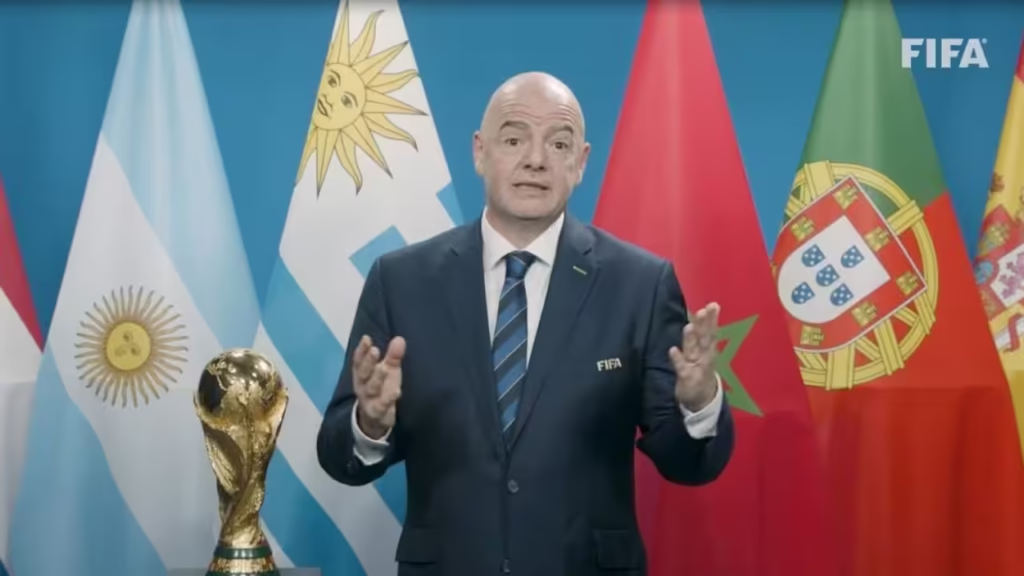
If the three nation partnership for 2026 sounds ambitious, the football world cup 2030 takes global integration to an entirely new level. To mark a major centenary milestone for the sport, the tournament configuration will stretch across three continents and involve six different countries. This unique strategy allows the international football community to celebrate its roots while maintaining a modern multi nation tournament structure.
The primary backbone of the football world cup 2030 will be located in Europe and North Africa. The designated lead nations taking on the bulk of the tournament infrastructure are Spain, Portugal, and Morocco. This alliance brings together world class stadiums like the newly renovated Santiago Bernabeu and historic venues across the Mediterranean region.
However, the opening phase of the football world cup 2030 features a sentimental twist. Because the inaugural global tournament was played in South America exactly one century prior, three South American nations will host the opening celebratory matches. Uruguay, Argentina, and Paraguay will each host one inaugural game on home soil. Once those opening fixtures conclude, all participating squads will fly across the Atlantic Ocean to complete the remainder of the group stage and the knockout rounds in the Mediterranean hub. This extraordinary plan makes the football world cup 2030 the most geographically diverse sporting event ever organized.
Why the Historic World Cup 2030 Host Structure Matters
The decision behind selecting this specific world cup 2030 host lineup is rooted in tradition, diplomacy, and celebration. The international governing body wanted an elegant way to honor the anniversary of the very first tournament held in Montevideo. Giving Uruguay the opening match serves as a direct nod to football history.
Concurrently, uniting Spain, Portugal, and Morocco as the primary world cup 2030 host pillars creates an athletic bridge between two continents. This decision marks the first time Morocco will host senior tournament matches, fulfilling a long term aspiration for African football infrastructure. For enthusiasts who track tournament data on Best Sports BD, this cross continental structure represents a major shift in how international sports tournaments will be awarded moving forward.
Comprehensive Comparison of 2026 and 2030 Tournaments
To help you visualize how these two historic events compare, let us look at the core organizational features of both editions side by side.
| Tournament Feature | 2026 Edition Details | Football World Cup 2030 Details |
| Host Countries | United States, Canada, Mexico | Spain, Portugal, Morocco, Uruguay, Argentina, Paraguay |
| Continents Involved | North America | Europe, Africa, South America |
| Total Competing Teams | Forty eight nations | Forty eight nations |
| Primary Structural Theme | Regional multi nation expansion | Centenary celebration and continental unity |
| Main Operational Challenge | Managing vast overland distances | Transatlantic travel after opening games |
This breakdown illustrates the clear transition away from single country hosting toward expansive, multi government athletic festivals. Staying updated through dedicated analytical platforms is the best way to keep track of these complex changes.
Analyzing the Pros and Cons of the New Hosting Formats
The transition toward selecting a multi nation world cup 2030 host matrix has generated significant debate among tactical pundits and environmental experts alike. Let us examine the positive and negative aspects of this modern hosting philosophy.
The Advantages
First, sharing tournament costs relieves immense economic pressure. Constructing massive new stadiums that might end up abandoned after a tournament is financially risky for a single nation. By spreading the matches across existing premier stadiums, host countries can maximize their current infrastructure without damaging national budgets.
Second, it promotes global sports inclusivity. More countries getting an opportunity to host means fans from diverse backgrounds can experience the tournament energy firsthand. Morocco joining forces with Spain and Portugal brings a rich cultural blend that will enhance the fan zone experience.
The Disadvantages
The primary concern involves complex team logistics. For the football world cup 2030, certain teams must start their tournament journey in South America and then immediately travel across the Atlantic to adjust to a new time zone for their remaining group stage matches. This introduces risks of jet lag, training disruption, and physical fatigue.
Another issue is the environmental impact of long distance travel. Increasing the volume of flights for squads, stadium staff, and hundreds of thousands of international supporters runs contrary to global sustainability objectives. Coordinating carbon reduction strategies across six different governments will require unparalleled administrative precision.
What These Structural Formats Mean for Everyday Fans
If you are a fan looking forward to watching the matches from your living room or planning to travel live, these formats alter your preparation entirely. The move to forty eight teams guarantees more matches, unique matchups, and an increased likelihood of tournament underdogs making a deep run.
For the 2026 iteration, the regional grouping means you can focus your attention on one specific coastline or time zone cluster to watch multiple games without traveling across an entire continent. For the football world cup 2030 version, supporters must decide early whether they want to witness the sentimental centenary matches in South America or settle into the Euro African hub for the high stakes knockout rounds. Monitoring the regular updates published on Best Sports BD will help you stay informed regarding ticket lotteries and venue schedules.
Frequently Asked Questions About Upcoming Hosts
Which countries are hosting the 2026 tournament?
The 2026 tournament will be co hosted by the United States, Canada, and Mexico, with sixteen cities across North America selected to host matches.
Why are there six countries involved in the football world cup 2030?
The unique setup features Spain, Portugal, and Morocco as the core tournament anchors, while Uruguay, Argentina, and Paraguay will host the initial centenary games to celebrate one hundred years of tournament history.
How many teams will qualify for the football world cup 2030?
The tournament will follow the expanded format introduced in 2026, meaning forty eight nations will qualify for the group stage.
Where can I find official confirmations regarding stadiums and schedules?
For official press releases, regulatory updates, and verified tournament rules, the official Fifa digital portal serves as the primary governing authority for world football news.
Essential Resources for Tournament Tracking
When you are planning future sports travel or looking for analytical data on stadium construction timelines, checking credible international sports media is highly recommended. For investigative journalism regarding player welfare, travel schedules, and international logistics, the global coverage provided by BBC Sports offers excellent editorial insight. Combining these global resources with local analytical platforms gives fans a complete view of the changing sports landscape.
Final Thoughts on the Future of International Football
The era of a single country hosting a massive football tournament appears to be evolving into something much larger. The upcoming tournament cycles demonstrate that the future of the sport relies on international cooperation, cultural exchange, and grand historical celebrations. From the massive stadium corridors of North America to the ambitious multi continent blueprint defining the football world cup 2030, we are entering a thrilling decade for sports fans.
As the designated world cup 2030 host nations begin their formal structural preparations, tournament anticipation will continue to grow worldwide. Whether you are analyzing squad statistics on Best Sports BD or mapping out a travel itinerary to see the matches live, keeping up with these structural changes ensures you will not miss a moment of the action.
Which of the upcoming host nations are you most excited to watch your favorite team play in? Let us know your thoughts on these new multi continent formats.


Be the first to comment
Email is required but never published. Stay on topic, no spam.